2-Day Mount Toubkal Trek from Marrakech: Route, Cost & Difficulty
Plan a 2-day Mount Toubkal trek from Marrakech: route, walking times, refuge, difficulty, altitude, packing, costs, and whether to choose 3 days.
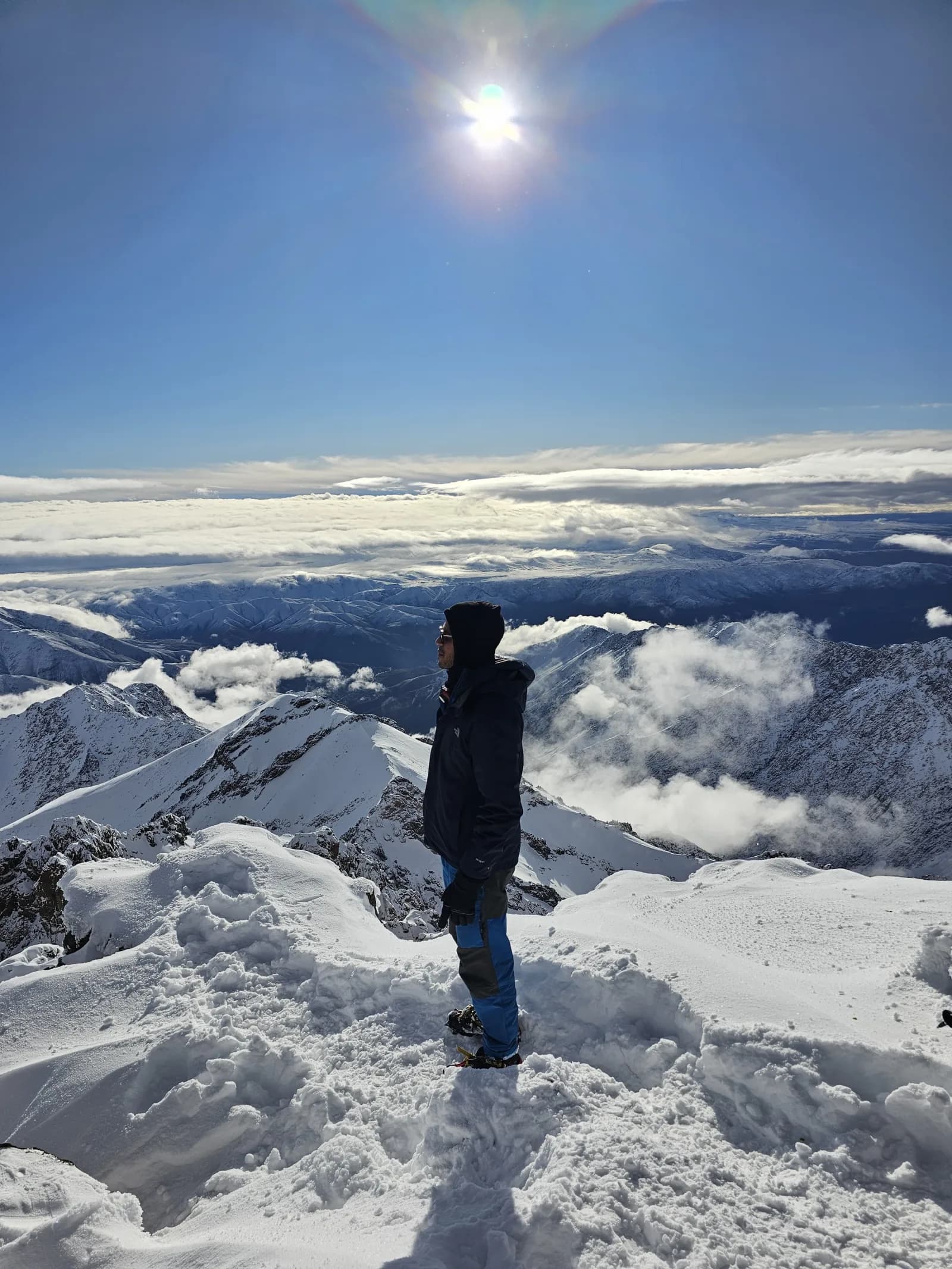
Local field note: the two-day itinerary saves calendar time, not effort. Summit day includes the climb from the refuge, the full descent to Imlil, and the drive to Marrakech. If you arrive unacclimatized or do not regularly walk long mountain days, three days is usually the better decision.
Quick answer: can you climb Toubkal in two days from Marrakech?
Yes. The standard two-day Mount Toubkal trek normally begins with an early transfer from Marrakech to Imlil, followed by the walk to the refuge at about 3,207m. On day two, hikers climb to the 4,167m summit, return to the refuge, descend to Imlil, and drive back to Marrakech.
It is the fastest sensible guided itinerary, but it is not a relaxed weekend walk. The route gains roughly 1,467m on the first day, then asks for another 960m of ascent and more than 2,400m of descent on summit day. Active hikers often complete it comfortably; people new to altitude or long descents may enjoy the three-day alternative much more.
- Duration: 2 trekking days and 1 refuge night.
- Starting point: Imlil, reached by road from Marrakech.
- Highest point: Mount Toubkal, 4,167m.
- Normal-season character: a steep, non-technical mountain trek on rocky paths and scree.
- Winter character: a snow-and-ice ascent requiring different equipment and judgment.
Day 1: Marrakech to Imlil and the Toubkal Refuge
The day starts with a drive from Marrakech toward Asni and Imlil. In Imlil, the guide checks equipment, the support team organizes the mule loads, and the walking begins through the Ait Mizane Valley. The trail passes Aroumd, crosses the valley floor, and continues toward Sidi Chamharouch before climbing more steeply to the refuge.
Plan on approximately five to six hours of walking, depending on pace, stops, weather, and trail conditions. The goal is not to reach the refuge quickly. A controlled pace, regular drinking, and enough food leave more energy for the early summit start. The night is usually in shared refuge accommodation, so earplugs, a headlamp, and an organized summit bag are useful.
Day 2: refuge to summit, Imlil and Marrakech
Most groups leave before sunrise. The normal route climbs steeply from the refuge through the south-facing basin, over loose stone and scree, toward the summit ridge. In normal dry conditions, it is walking rather than technical climbing, but darkness, cold, altitude, and unstable footing make it a serious mountain morning.
The summit climb commonly takes three to four hours. After photos and a short rest, descend to the refuge for food, then continue down the long valley to Imlil. Total walking time can reach eight to ten hours. Trekking poles are especially valuable on the descent, when tired legs and loose ground cause more trouble than the upward climb.
How difficult is the 2-day Mount Toubkal trek?
The route is best described as challenging rather than technically difficult in stable, snow-free conditions. You need the fitness to walk uphill for five or six hours on day one and complete a much longer second day. You also need balance on scree, suitable boots, and enough leg strength for the descent.
Altitude is the factor that ordinary fitness cannot cancel. The refuge is above 3,000m and the summit is above 4,000m. The CDC explains that acclimatization takes time and that individual susceptibility is variable; being very fit does not guarantee immunity from acute mountain sickness. Headache with nausea, dizziness, unusual fatigue, or loss of appetite after ascent should be reported to the guide rather than hidden.
- Choose two days if you regularly hike, recover well after long descents, and have limited time.
- Choose three days if this is your first 4,000m summit, you prefer a steadier pace, or scenery matters as much as speed.
- Do not ascend higher with worsening altitude symptoms; the guide's safety decision comes before the summit goal.
What does a 2-day Toubkal trek cost?
Prices vary with group size, private transfers, refuge arrangements, meals, equipment, and whether the offer uses a properly licensed guide and local support team. Extremely low headline prices may exclude transfers, equipment, lunches, or mule support, so compare inclusions rather than comparing one number.
Magical Toubkal Trek currently lists the two-day climb from €160 per person, with a sliding private-group price. The tour page shows the live group tiers and inclusions. Before paying, confirm the pickup location, guide, refuge bed, meals, luggage allowance, winter equipment if relevant, cancellation terms, and whether travel insurance is mandatory.
Two days or three days: which Toubkal itinerary is better?
The direct two-day route is best for strong walkers who want the summit and have a tight Morocco itinerary. It follows the same valley between Imlil and the refuge in both directions, making the logistics simple and the walking concentrated.
The three-day route via Tamsoult crosses Tizi Mzik into the Azzaden Valley and approaches the refuge over Aguelzim Pass. It adds landscape variety and more time at elevation before the summit. It is still demanding, but many first-time high-altitude hikers find the rhythm more enjoyable than the express route.
- Pick 2 days for: minimum time, direct route, strong fitness, summit priority.
- Pick 3 days for: broader scenery, more gradual rhythm, first 4,000m experience.
- Pick a valley trek instead when: snow skills, altitude, or the summit-day length do not suit your group.
Packing essentials and booking checklist
For normal dry-season departures, bring broken-in hiking boots, trekking poles, a waterproof shell, insulating layers, sun protection, a headlamp, reusable water capacity, gloves, and a small summit pack. Refuge sleeping arrangements and supplied blankets vary, so confirm whether a sleeping bag is included or required.
Winter and snow-covered departures are a different activity. Crampons, an ice axe, compatible boots, warm technical layers, and a winter-experienced guide may be required. Conditions do not follow exact calendar dates, so ask for a current local assessment shortly before departure.
- Confirm what the price includes in writing.
- Share relevant medical conditions and previous altitude reactions.
- Check the latest snow, wind, and refuge situation with the local team.
- Buy travel insurance that explicitly covers trekking to 4,167m and evacuation.